PAT Testing across Cambridgeshire, East Anglia and the East Midlands

A Professional & Personal Service

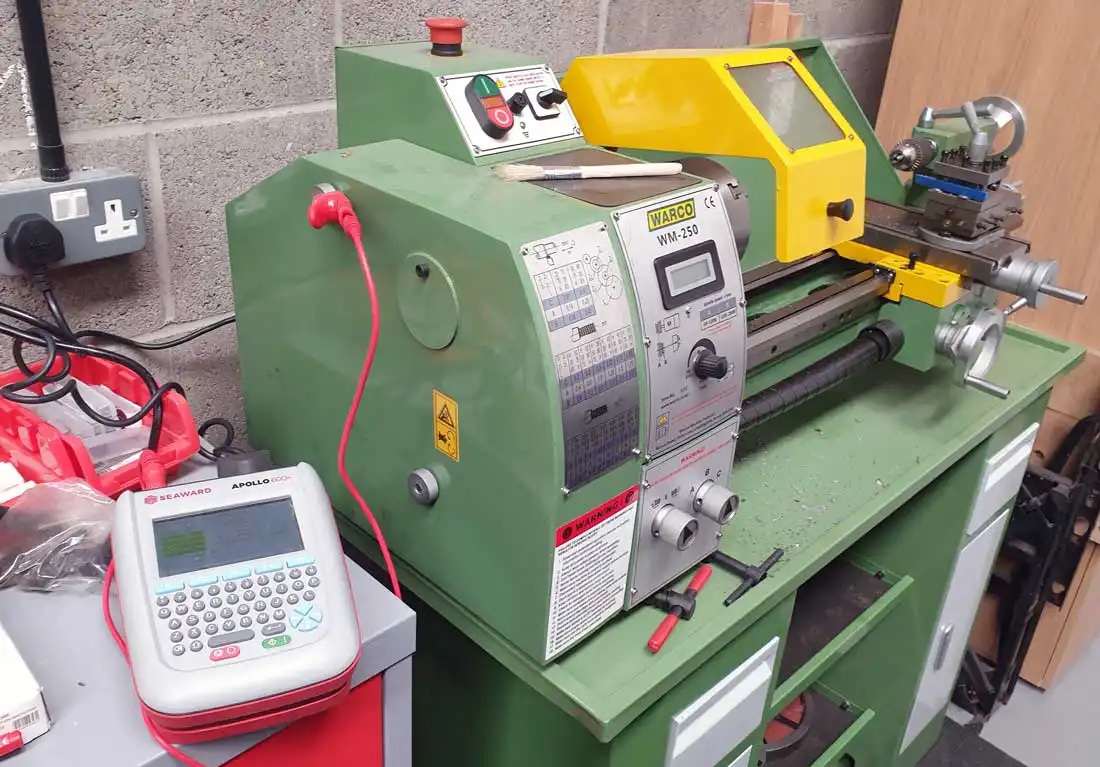
Electrical safety testing of a workshop lathe

Portable Appliance Testing (PAT) & Fixed Appliance (FAT) Electrical Equipment Safety Testing.

MJ PAT Testing is an independent business providing professional Portable Appliance Testing (PAT) and Fixed Electrical Equipment inspection and testing services to businesses and organisations across the region.

We aim to provide a friendly, professional service, taking the time to understand your requirements and carry out testing with minimum disruption to your business.

Based in Wisbech, Cambridgeshire, we provide a personal, professional testing service across Cambridgeshire, Lincolnshire, Norfolk, Rutland, Suffolk and surrounding areas, and at locations further afield available by arrangement.

Whether you have a small office, a retail business, a café, a holiday let, a village hall, a workshop, a school, a large commercial operation or are a landlord, we can provide a testing service suited to your individual requirements. We test portable and fixed electrical equipment operating at 110V and 230V, as well as 400V three-phase equipment

Call 07342 203158 or email info@mjpattesting.co.uk to discuss your requirements or request a quotation.

Why use MJ PAT Testing?

Fully Certified

City & Guilds 2377 Qualified, member of PATTA and proud IET Technician Members (TMIET).

110V, 230V & 400V Testing

Qualified for complex systems, three-phase machinery, and fixed appliance safe isolation.

Fully Insured

Professional Indemnity and Public Liability insurance, providing appropriate protection for our business and our customers.

Added Value

Free minor plug repairs, fuse replacements, and detailed digital asset registers. More extensive repairs may incur an additional charge.

“What Makes Us Different?

Qualified, Insured and Professionally Equipped

You want to know that the person or company testing your electrical equipment is competent and that the work is carried out using appropriate methods and equipment and to the highest standards.

Our engineers use professional test equipment, including the Seaward Apollo 600+, and follow recognised industry guidance and standards to provide a professional and reliable testing service.

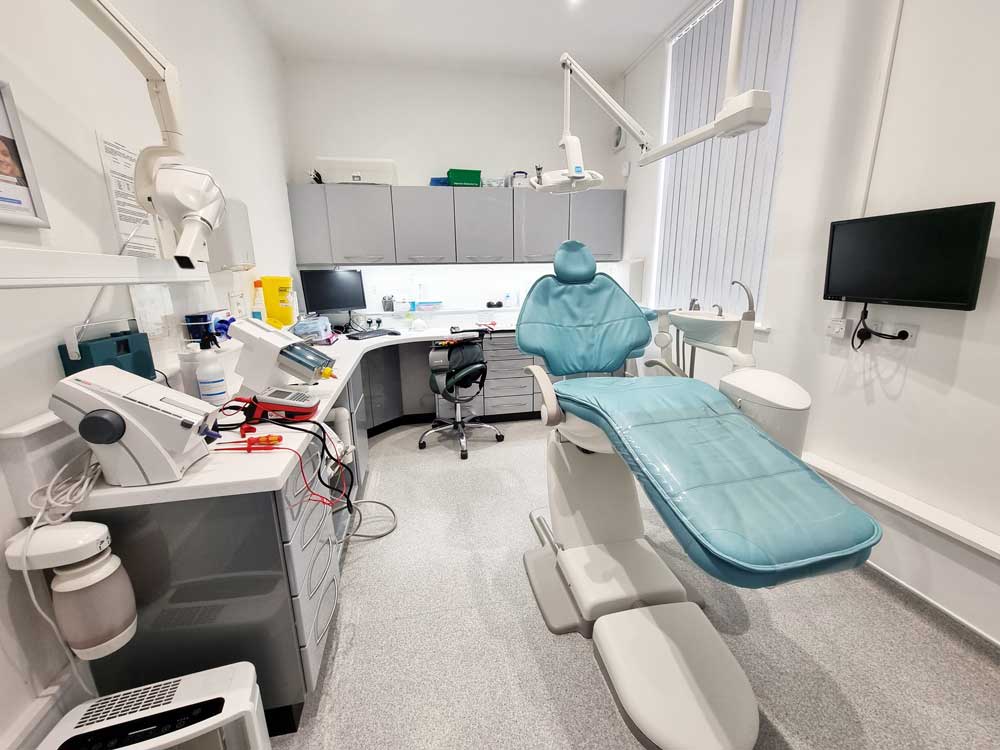
Electrical equipment testing in a dental surgery

Members of Professional Bodies

MJ PAT Testing is a member of PATTA and the Institution of Engineering and Technology (IET), demonstrating our commitment to maintaining professional standards within the electrical equipment testing industry.

Minimum Disruption

We understand that testing needs to fit around your business. We take a practical approach and work efficiently to minimise disruption while ensuring equipment is properly inspected and tested.

Practical Approach

We understand that electrical equipment testing needs to be carried out with minimum disruption to your business. We take a practical approach to testing and work with customers to make the process as straightforward as possible.

Testing Standards

Our testing follows the IET Code of Practice for In-Service Inspection and Testing of Electrical Equipment, 5th Edition, and BS EN 50699:2020 Recurrent Testing of Electrical Equipment, where applicable.

Risk Assessed Testing

We take a risk-based approach to electrical equipment testing, considering factors such as the type of equipment, its environment, how it is used and the associated risks rather than simply applying a fixed testing interval.

Clear Records

We provide detailed records of the equipment tested, including relevant identification details and test results. Electronic certificates and equipment registers provide a clear record of the work carried out.

Specialist Capabilities & Legal Compliance

Fixed Electrical Equipment Inspection (FAT)

Looking beyond the standard 3-pin plug to ensure comprehensive workplace safety.


Many basic PAT testers only check items with a standard mains plug. We specialise in safely isolating, inspecting, and testing fixed appliances wired directly into fused spurs (such as hand dryers,  industrial machinery, commercial kitchen extractors, holiday lets, and rental properties), completely in line with the 5th Edition of the IET Code of Practice for In-service Inspection and Testing of Electrical Equipment (commonly known as PAT testing).

Statutory Legal Obligations

Regular inspection and testing of electrical equipment is a tool that can help manage risks in workplace.


Any business or organisation has a duty of care to ensure their electrical equipment is safe to use by employees or the public as mandated by UK health and safety requirements such as that detailed in Regulation 4(2) of the Electricity at Work Regulations (1989): "As may be necessary to prevent danger, all systems shall be maintained so as to prevent, so far as is reasonably practicable, such danger."

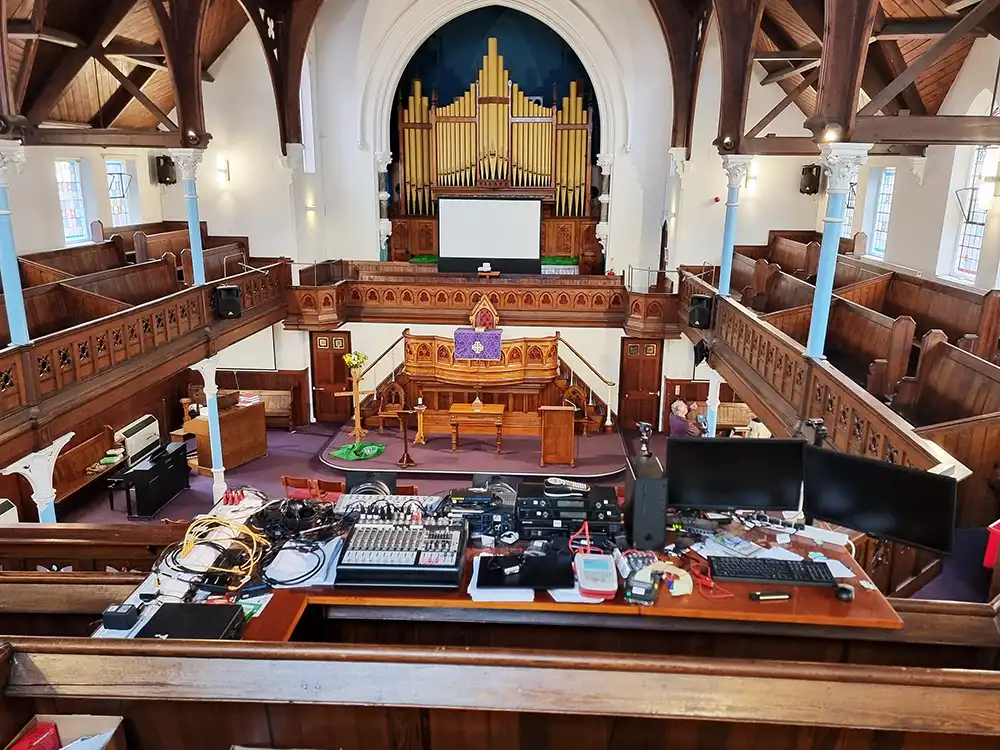
PAT Testing church

Who Needs PAT / Electrical Equipment Safety Testing?

Any business or individual that provides or uses electrical equipment as part of their business has a responsibility to ensure it is safe to use. This includes not only large companies, but also self-employed workers, landlords and various other professionals, such as stonemasons, blacksmiths, artists, market traders, office cleaners, mobile hairdressers, bands, DJs and farmers. 

Electrical equipment should be appropriately inspected and maintained to help ensure it remains safe to use. PAT testing and fixed electrical equipment inspection and testing can form part of an appropriate maintenance programme, depending on the equipment, how and where it is used, and the risks involved. 

PAT testing companies such as MJ PAT Testing conduct a range of tests as part of the in-service inspection and testing of electrical equipment, including Portable Appliance Testing and the testing of fixed electrical equipment where appropriate. Testing can include equipment operating at 110V, 230V and 400V three-phase.

Throughout the UK, venues and insurance providers are increasingly requiring proof of regular testing of electrical equipment, as an employer or self-employed individual, it's your responsibility to ensure your equipment is safe for use whoever uses it.